Chemical resistant coatings
Chemical resistant coatings provide a protective layer against harsh chemicals.
Why Chemical Resistant Coatings?
Chemical resistant coatings provide protection against a range of chemical environments. Such environments can be very harsh and punishing which results in reduced effectiveness and life span of production machinery and hardware.
Application of a suitable chemical resistant coating will prolong component life, reduce down time and stop product contamination. Chemical resistant coatings is not only commonplace in the chemicals industry, but any manufacturing plant that uses chemicals will benefit from a Marcote applied coating.
On top of their capability to protect a surface from chemical attack, our coatings can also improve the personnel safety by preventing violent reactions between chemicals and bare metal surfaces.
Find our more about the science behind chemical resistant coatings here.
Components Commonly Coated with Chemical Resistant Coatings:
- Semiconductor tanks
- Ductwork
- Piping systems
- Vessels
- Reactors
- Centrifuges
- Agitators
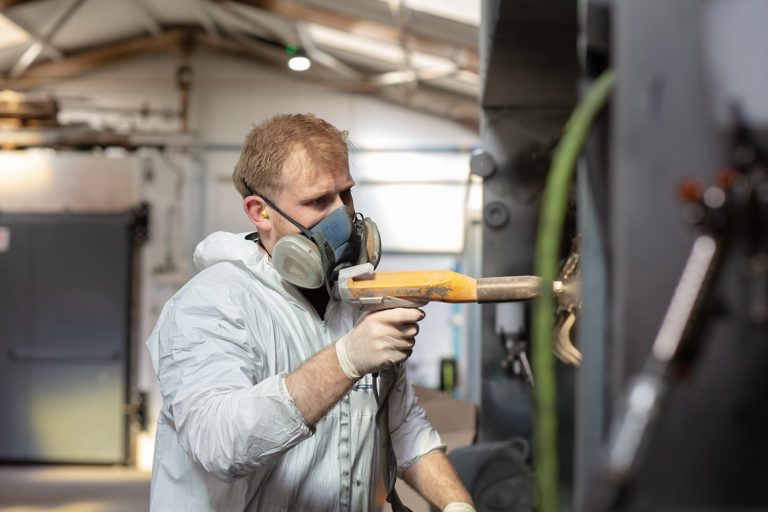
In the past, we have coated components for protection against hydrofluoric acid, sulphuric acid, nitric acid, hydrogen peroxide, ozone, and ammonium hydroxide, all of which are alkaline chemistries and with operating temperatures ranging between -76°C to +150°C.
Get Started with Marcote
We are dedicated to delivering a fully bespoke service to all of our customers. From coat thickness to colour, we can create a coating that is perfect for you. We also recommend the right chemical resistant coating according to the process the parts go through, which chemicals they come into contact with, how frequently and for how long. Knowing our customers’ environment is key to applying the right coating the first time.
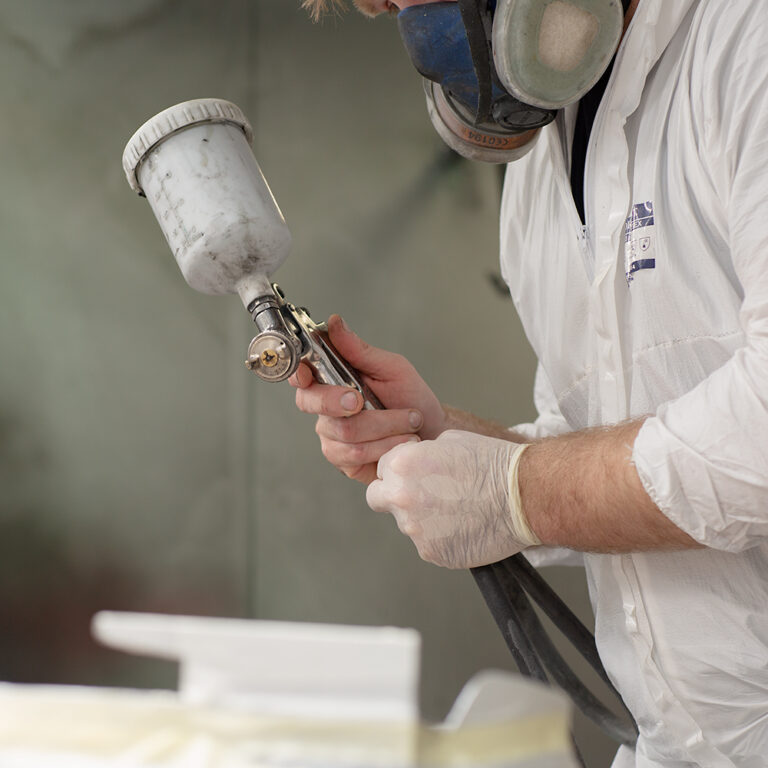
Substrates that chemical resistant coating can be applied to
Aluminium
Copper
Stainless Steel
Brass
Steel
Chemical Resistant Coating FAQs
Chemical resistant coatings are used to protect components and equipment from damage caused by exposure to aggressive chemicals such as acids, alkalis, solvents, oxidisers, and cleaning agents. They prevent corrosion, contamination, and premature failure in chemically demanding environments.
Marcote has experience protecting components against exposure to chemicals including:
Hydrofluoric acid
Sulphuric acid
Nitric acid
Hydrogen peroxide
Ozone
Ammonium hydroxide
Oils, fuels, solvents, and cleaning chemicals
The exact coating is selected based on the specific chemicals involved, concentration, temperature, and exposure duration.
Marcote works with a range of specialist chemical resistant materials, including:
Halar (ECTFE)
ETFE
Nylon
Each offers different strengths in terms of chemical resistance, temperature tolerance, thickness, and mechanical durability.
Selecting the correct coating depends on understanding:
Which chemicals are present
Operating temperature range
Frequency and duration of exposure
Whether abrasion or impact is also involved
Substrate material and component geometry
Marcote works closely with customers to assess these factors and recommend the most suitable coating for long-term performance.
Marcote’s chemical resistant coatings typically operate across a wide temperature range, from approximately –76°C up to +150°C, depending on the material. Some fluoropolymers, such as PVDF, can tolerate even higher temperatures in specific applications.
Chemical resistant coatings are commonly applied to:
Tanks and vessels
Ductwork
Piping systems
Reactors
Centrifuges
Agitators
Semiconductor and process equipment
Both individual components and larger assemblies can be coated.
Yes. In addition to chemical protection, many coatings can also provide:
Impact and abrasion resistance
Hydrophobic (water-repellent) surfaces
Improved cleanability and hygiene
Cryogenic stability
Reduced risk of contamination
This allows coatings to be specified for multiple performance requirements in one solution.
Get in touch