FOOD PRODUCTION Case-study

Improving Efficiency, Hygiene & Output Through Advanced Coating Solutions

Engineering Performance Into Food Production

In high-volume food manufacturing, small inefficiencies quickly scale into major operational costs. Product build-up, excessive cleaning, inconsistent release, and premature equipment wear are often accepted as “part of the process.”

Marcote challenges that assumption.

Through applying engineered coating systems tailored to specific food applications, manufacturers can significantly improve uptime, product quality, and total cost of ownership, without replacing core equipment.

THE CHALLENGE

When Sticking, Wear & Cleaning Limit Production

Across bakery, confectionery, protein processing and packaging environments, manufacturers face common issues:

  • Product adhesion causing inconsistent output and waste
  • Frequent cleaning cycles reducing uptime
  • Premature coating failure due to abrasion or aggressive washdowns
  • Increasing reliance on release agents (cost + inconsistency)
  • Equipment degradation leading to early OEM replacement
  • Throughput
  • Yield
  • Product quality
  • Operational efficiency

THE REQUIREMENT

A Coating System Designed for Process Conditions
(Not Assumptions)

Selecting the right coating is not just about “non-stick.” 

It requires:

✔ Product stickiness (e.g. sugar vs protein)
✔ Cleaning regime (light vs aggressive chemical washdown)
✔ Temperature exposure
✔ Mechanical wear
✔ Application type (surface, belt, tubing, etc.)
OUR APPROACH

Validation Pathway

Structured Technical Investigation

Every project follows a proven methodology:

Step 1

Coating System Analysis

Understanding failure points in current coatings.

Step 2

Material Identification

Matching coating chemistry to product and process conditions.

Step 3

Performance Benchmarking

Testing durability, release performance, and lifecycle expectations.

Step 4

Technical Evidence & Documentation

Delivering a coating solution backed by real-world performance data.

CASE STUDY

Improving Efficiency in Sugar Packaging

Application
Multihead Weighing & Bagging System (Granulated Sugar)

THE CHALLENGE

A manufacturer operating high-speed sugar bagging lines experienced:

  • Severe product build-up on weighing equipment
  • Inconsistent pack weights
  • Frequent unplanned cleaning stoppages
  • Coating lifespan limited to ~4 months due to sugar abrasion
  • Reduced throughput
  • Increased downtime
  • Variability in product quality

THE MARCOTE SOLUTION

Following a 12-month R&D programme, Marcote developed a bespoke non-stick coating system tailored to sugar handling.

  • Enhanced release for fine sugar particles
  • Improved abrasion resistance
  • Stable performance under continuous production

THE OUTCOMES

Coating lifespan increased from 4 months to 18–24 months

Planned 12-month recoating cycle implemented

Eliminated unexpected cleaning stoppages

Improved weighing accuracy and product consistency

Increased throughput and operational efficiency

Commercial impact

By shifting to a planned coating strategy, the customer achieved higher output, improved product consistency, and reduced total cost of ownership, while eliminating costly unplanned downtime.

Key insight: In high-stick, high-abrasion environments like sugar handling, durability is just as critical as non-stick performance, and Marcote delivers both.

COATING SYSTEMS FOR FOOD APPLICATIONS

Marcote works with a range of advanced coating families, including systems from leading brands such as Teflon and Xylan.

Overview of Coating Types

PTFE

Excellent abrasion resistance, strong non-stick performance, and low friction properties.

Best for: High-release applications such as bakery and confectionery where clean product release is critical.

PFA

Enhanced chemical resistance with improved durability under continuous use.

Best for: Aggressive cleaning environments and 24/7 production where coating longevity is essential.

FEP

Highly flexible material with strong non-stick properties and smooth surface finish.

Best for: Films, conveyor belts, and tubing where flexibility and flow are key.

Sol-Gel (PFAS-free)

Exceptional temperature and abrasion resistance with a PFAS-free formulation.

Best for: High-temperature environments or where PFAS-free compliance is required.

Performance Comparison

Property PTFE PFA FEP Sol-Gel
Non-stick ★★★★☆ ★★★★★ ★★★★☆ ★★☆☆☆
Abrasion Resistance ★★★★☆ ★★★☆☆ ★★★☆☆ ★★★★★
Temperature ★★★★★ ★★★★★ ★★★☆☆ ★★★★★
Chemical Resistance ★★★★★ ★★★★★ ★★★★☆ ★★★☆☆
Hygiene (Long-term) ★★★★☆ ★★★★★ ★★★★☆ ★★★☆☆

Application Insight by Sector

Bakery

“PTFE for release, PFA for longevity”

Marcote provides coatings for the food and beverage industry - image of loaves of bread being produced on coated machinery
  • Bread tins, trays, conveyor belts
  • Key benefit: clean release + reduced oiling
  • PFA used in high-output lines for durability

Confectionery

“PTFE for extreme non-stick performance”

Image of confectionery, which Marcote provide coating solutions in the food industry for
  • Moulds, enrobing lines, sugar handling
  • Prevents burn-on and product deformation
  • Critical for visual product quality

Protein Processing

“PFA for durability in harsh environments”

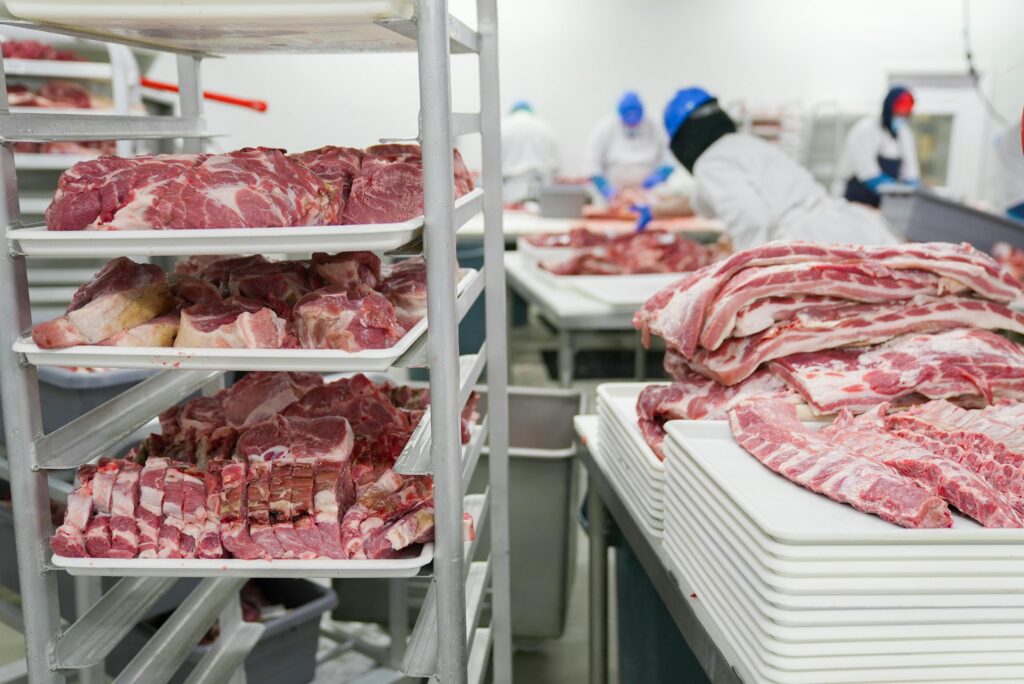
Marcote provide coating solutions for protein processing
  • Conveyors, forming plates, tumblers
  • Handles aggressive washdowns and corrosive conditions

Food Processing & Packaging

“Flow, accuracy and uptime optimisation”

  • Multihead weighers, hoppers, dosing systems
  • Focus on eliminating build-up and improving consistency

WHAT THIS DEMONSTRATES

Beyond coating application, this project demonstrates:

  • Increased production uptime
  • Reduced cleaning and maintenance
  • Improved product quality and consistency
  • Extended equipment life
  • Lower total operating costs
Marcote expert in suit handling coated parts
ISO 9001 certified ISO 9001 Certified
Full Traceability Available
Confidentiality Assured
Specification-Led Process Control
Looking to improve performance in your food production process?

Marcote can assess your current coating performance and identify opportunities to improve efficiency, hygiene, equipment lifespan, and overall output.

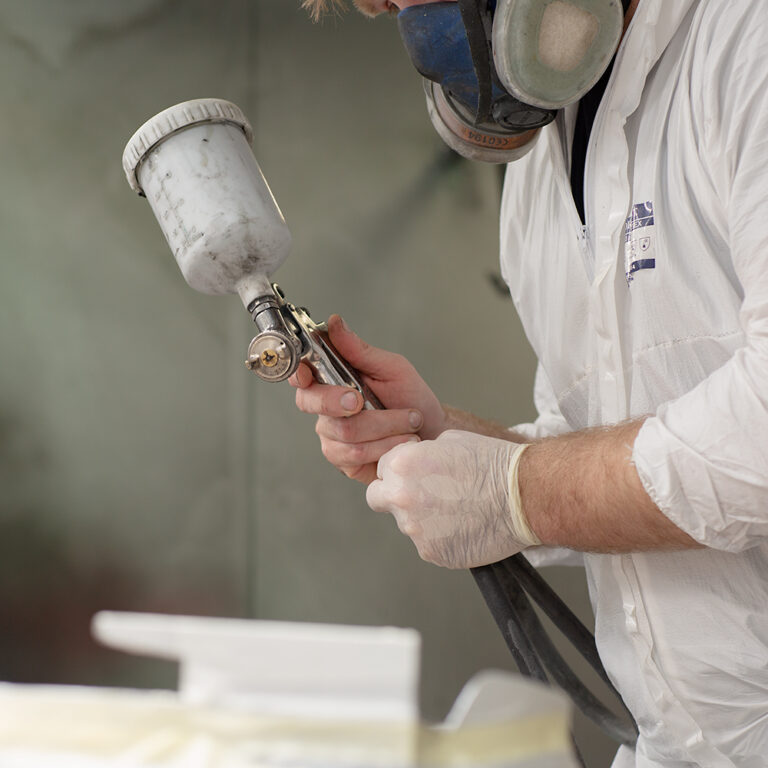
A image of someone applying an abrasion resistant coating

Get in touch